

Solar power in Kigali is no longer only for off-grid homes. With electricity tariffs revised on 1 October 2025 and power cuts still a fact of life for many neighbourhoods, more homeowners and businesses are adding solar panels, inverters and batteries. Kigali Security arranges supply and installation of solar and backup systems through vetted installers. We start with a site survey and a simple load assessment, then send a written quote sized to what you actually need to run.
For security clients, solar has a very practical role: it keeps cameras, alarms, electric fences, gate intercoms, internet and water pumps running when the grid goes down. A security system without backup power is only half a system.
Solar in Rwanda: the context
Rwanda has made fast progress on electricity access. According to Rwanda Energy Group figures reported in 2026, national access reached 84.6% by the end of July 2025, with 59.6% of households connected to the national grid and around 25% served by off-grid systems, most of them solar. In Kigali, nearly every property is on the grid, so most solar projects are about backup and lower bills rather than replacing the grid.
The tariff change matters here. Under the tariff in force since 1 October 2025, published by Rwanda Energy Group, households pay:
| Monthly household consumption | Price per kWh (VAT and regulatory fee exclusive) |
|---|---|
| 0 to 20 kWh | RWF 89 |
| Over 20 to 50 kWh | RWF 310 |
| Over 50 kWh | RWF 369 |
| Non-residential, 0 to 100 kWh | RWF 355 |
| Non-residential, over 100 kWh | RWF 376 |
Every kWh that solar supplies for a household above 50 kWh a month replaces power that would otherwise cost RWF 369 plus taxes. That is where solar savings are largest.
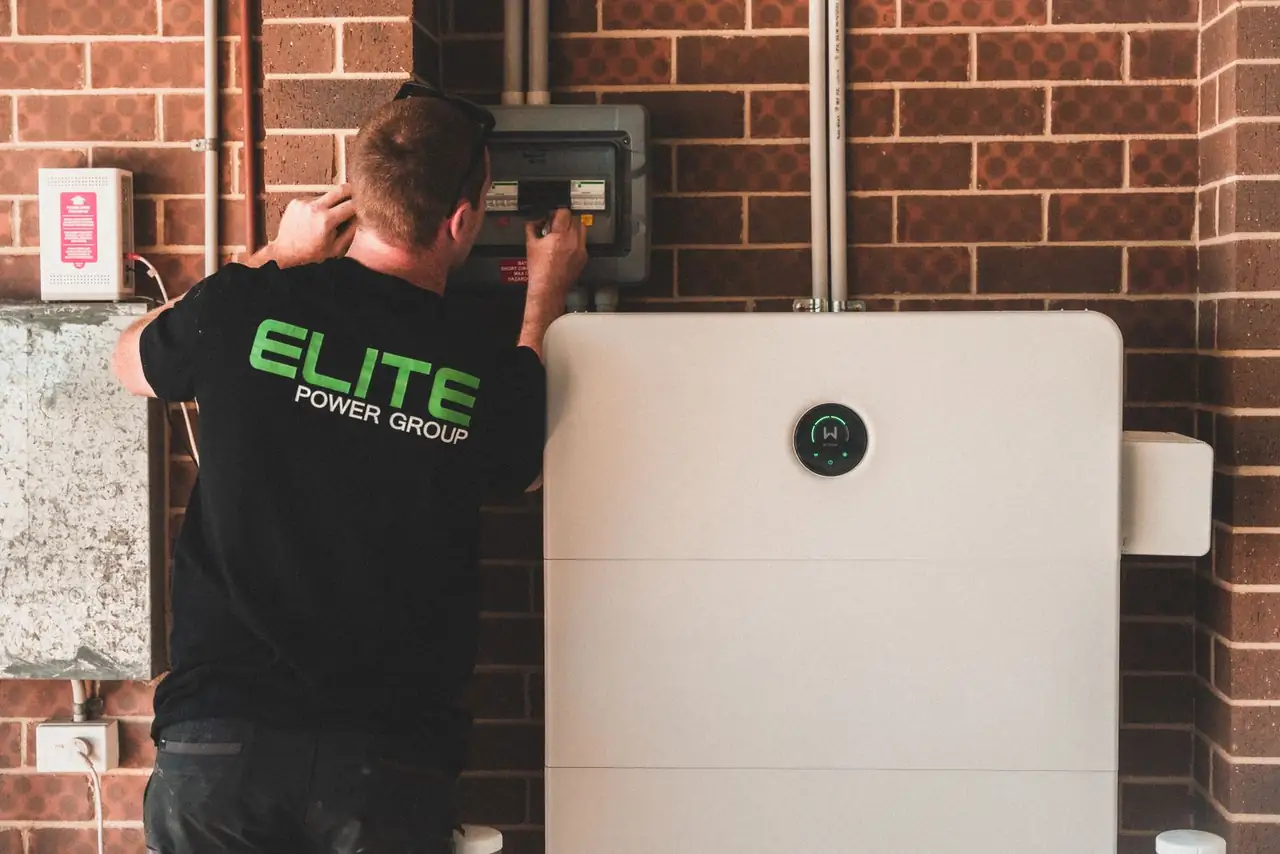
Types of systems
| System | What it does | Who it suits |
|---|---|---|
| Inverter and batteries (no panels) | Stores grid power for use during outages | Homes and offices wanting backup on a budget |
| Hybrid solar | Panels, batteries and grid work together | Most Kigali homes and small businesses |
| Grid-tied without batteries | Panels reduce daytime grid use, no backup | Offices with daytime loads, where backup is not needed |
| Off-grid solar | Panels and batteries, no grid | Plots, farms and sites outside the grid |
| Solar for security only | Small dedicated system for cameras, fence and router | Compounds that mainly want security to stay online |
Sizing: start with your loads
Good solar design starts with a list, not a panel count. During the survey, the installer goes through:
- Essential loads: lights, sockets for phones and laptops, WiFi router, TV, fridge, CCTV system, alarm, electric fence energiser and gate motor.
- Water: a booster or borehole pump is often the load that matters most during a cut.
- Heavy loads: electric cookers, water heaters, irons, kettles and air conditioning. These are usually kept on the grid or a separate circuit because they need a much bigger system.
- Backup hours: how long you want essentials to run without the grid or sun.
- Growth: space on the roof and inverter capacity for more panels or batteries later.
Your latest prepaid electricity purchases or bills give a useful picture of current use. Bring them to the survey.
Main components
- Solar panels: mounted on the roof or a ground frame, facing the best available sun with minimal shade from trees, water tanks or neighbouring buildings.
- Inverter: converts battery and panel power into the 230V AC your home uses. Hybrid inverters also manage charging from the grid.
- Batteries: lithium or lead-acid. Lithium usually costs more upfront but tolerates deeper daily discharge and more cycles.
- Charge control and protection: breakers, surge protection, earthing and correct cable sizes.
- Changeover wiring: so selected circuits run from the inverter while heavy loads stay on the grid.
- Monitoring app: shows production, battery level and consumption on your phone.
Rules and safety
Solar installations involve high DC voltages and large batteries, so qualified installation is essential.
- Permits: the Rwanda Utilities Regulatory Authority (RURA) issues electrical installation permits in classes. Class A covers residential installations of up to five bedrooms at 230V, Class B covers larger and commercial buildings, and Class D covers specialised fields including solar systems and generator sets. Permits are valid for three years. Ask your installer which class they hold.
- Net metering: on 30 July 2026, Prime Minister Justin Nsengiyumva announced that Rwanda is exploring net metering, which would let rooftop solar owners send surplus power to the grid for bill credits. Reports say no legal framework exists yet for selling power back, and RURA has not published the connection, tariff and technical rules. Until it does, design your system to use your own power rather than to export it.
- Roof and structure: panels add weight and wind load. The installer should check the roof structure and fixings, especially on older roofs.
- Batteries: install in a ventilated, dry, shaded space away from children.
Maintenance
- Clean panels when dust builds up, especially in the dry seasons, using water and a soft brush.
- Check the monitoring app monthly for drops in production.
- Keep vents around the inverter and batteries clear.
- Ask for a yearly check of connections, breakers and earthing.
What affects the price
The cost of solar in Rwanda depends on total load, backup hours, battery type and capacity, inverter size, number of panels, roof type and mounting, cable runs and changeover wiring. Equipment is largely imported, so prices change with supply and exchange rates. We do not publish fixed prices. Contact us for a current quote based on your loads.
Building or extending? Planning solar and security wiring with your builder is cheaper than adding it later; see these construction services in Kigali.
Book a solar survey
Fill in the form below with your name, phone or WhatsApp number, property type and location, and choose "Solar power / inverter backup" under services. List the appliances you want to keep running in the message. An installer will visit, check your roof and wiring, and send an itemised quote. If you are planning security at the same time, see our home security guide for Kigali.
Frequently asked questions
Can solar power run my whole house in Kigali?
It can, but the system size and cost rise quickly with heavy loads such as electric cookers, water heaters and irons. Most Kigali homes start with a hybrid system that covers lights, sockets, internet, TV, fridge, security systems and the water pump, while the grid handles heavy loads.
Can I sell my extra solar power to REG?
Not yet. On 30 July 2026 the Prime Minister announced that Rwanda is exploring net metering, but reports note there is currently no legal framework for private consumers to sell power back to the grid, and RURA has not yet issued guidelines.
Who is allowed to install solar systems in Rwanda?
Electrical installations require a permit from the Rwanda Utilities Regulatory Authority (RURA). RURA's permit classes run from A to Z, and Class D covers specialised fields including solar systems and generator sets. Permits are valid for three years and can be renewed.
What is the difference between an inverter backup and a solar system?
An inverter with batteries stores grid power and releases it during outages, but adds no new energy. A solar system adds panels that charge the batteries and power your loads during the day, which can also reduce your electricity bill. Many people start with the inverter and add panels later.
How long do solar batteries last?
It depends on the battery chemistry, how deeply it is discharged each day, temperature and the quality of the charge controller. Lithium batteries generally handle more charge cycles than lead-acid. Ask the installer for the rated cycles and the warranty terms on the quote.
How much does a solar system cost in Rwanda?
Cost depends on the loads you want to run, how many hours of backup you need, battery type, inverter size, number of panels, mounting and cabling. Equipment prices move with supply and exchange rates, so we do not publish fixed prices. Contact us for a current quote.
Does solar work in Kigali's rainy seasons?
Panels still produce power on cloudy days, but less than in full sun. A well designed system is sized with the rainy months in mind, with enough battery capacity and, for hybrid systems, the grid as a fallback for heavy or long cloudy periods.